
Through Enara’s fictional story, this article explains how plastic credits can finance verified recovery, strengthen local recycling and support a fairer circular economy.
By Chrispaul Muthaura
Plastic credits are attracting attention as a way to direct finance towards plastic waste collection and recycling. Their real value, however, depends on what changes on the ground. Do they improve local waste systems, strengthen recycling businesses and protect the people who recover materials every day?
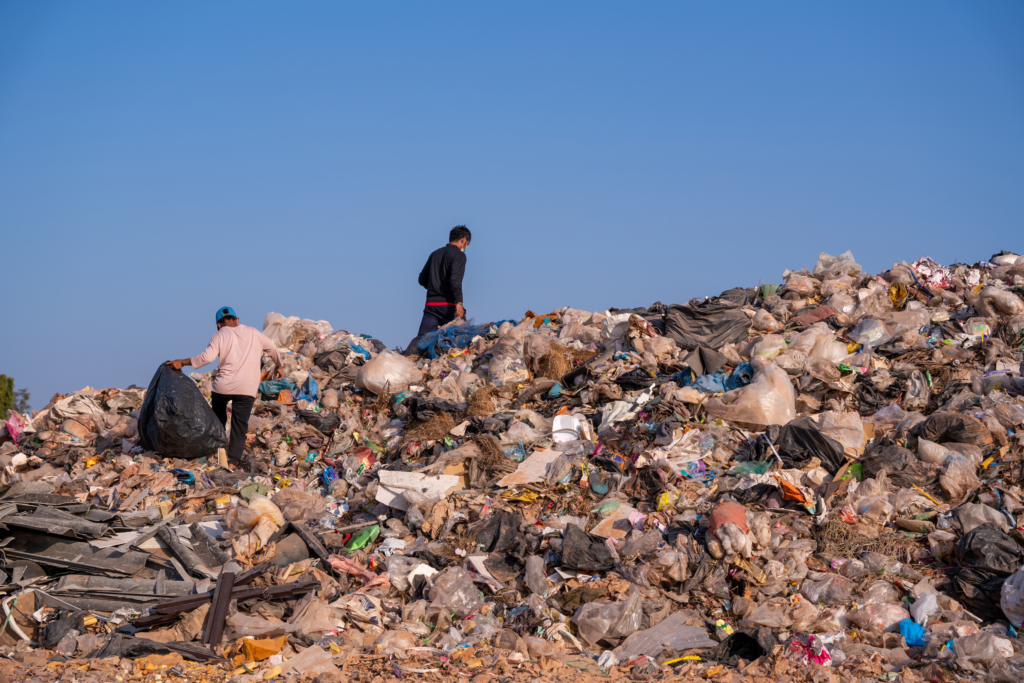
In Kazai, a fictional land of two suns, that question begins with Enara. She is a widowed mother of two from the Ahoe community who works at the Yohera dumpsite. Each morning, she sorts through discarded material in search of plastic she can sell. The work is difficult and unsafe, but it keeps her sons in school and food on the table.
One morning, a community organisation tells Enara about plastic credits. The phrase is new to her, yet the idea behind it is familiar: the plastic she recovers has environmental value. She begins to wonder whether a better designed system could also recognise the value of her labour.
What Are Plastic Credits?
Plastic credits are tradable environmental units linked to a measured quantity of plastic waste that has been collected or recycled under a defined programme. Under Verra’s Plastic Waste Reduction Standard, for example, one credit represents one metric tonne of plastic collected or recycled above an established baseline. Other programmes may apply different rules, units or labels, so buyers need to examine the standard behind each claim.
The money paid for plastic credits is intended to reward verified results and help projects maintain or expand collection, sorting and recycling activities. A responsible company first measures its plastic footprint, reduces avoidable plastic, redesigns products and packaging, and improves reuse and recycling. Credits can then finance action on the remaining footprint that cannot yet be addressed directly.
Plastic credits are therefore better understood as a financing tool for downstream action, not as permission to continue producing unnecessary plastic. The distinction matters because a credible circular economy starts with prevention and keeps materials in use at their highest possible value.
How the System Works
Although programme rules differ, credible crediting systems normally follow four connected stages.
- Set a baseline. The project establishes what plastic collection or recycling would probably happen without the proposed activity. This helps determine whether the claimed result is additional.
- Collect and record evidence. The project tracks quantities, material types, locations, workers, transport and final destinations using records that can be checked.
- Verify the result. An independent auditor reviews the data and assesses whether the project meets the relevant environmental and social requirements.
- Issue and retire credits. Approved units receive unique identifiers in a registry. When a buyer uses them towards a claim, they should be retired so that the same result cannot be claimed twice.
Every stage matters. Weak baselines can exaggerate impact, poor records can hide where waste ends up, and an unclear registry can allow double counting. Verification does not remove every risk, but it creates a stronger basis for accountability.
Waste Pickers and Social Equity
For Enara, plastic credits would matter only if the money reaches the people and organisations that make recovery possible. Waste pickers often provide the first and most labour intensive link in the recycling chain, yet many work without stable prices, protective equipment, insurance or formal recognition.
Well designed plastic credits can help finance safer collection points, protective clothing, training, transparent weighing systems and more predictable payment arrangements. They can also support worker cooperatives, access to social protection and channels through which waste pickers can raise concerns without fear of losing their livelihoods.
These benefits are not automatic. Project developers must involve waste pickers in decisions, publish how value is shared and monitor working conditions. Fairness cannot be reduced to a photo or a story in a sustainability report. It must be visible in pay, safety, voice and opportunity.
Plastic Credits in a Circular Economy
Plastic credits can help small recycling businesses overcome practical constraints. Reliable finance can support sorting equipment, storage, worker training, quality control, traceability and safer processing. These investments can improve the supply of recycled material and help local enterprises enter more stable markets.
At their best, plastic credits connect recovery with a wider circular economy strategy. Collected plastic is sorted by type, processed to an appropriate standard and returned to productive use. This reduces material loss and can create jobs across collection, aggregation, transport, recycling, product design and manufacturing.
The approach still needs limits. Recycling is not suitable for every polymer or product, and some treatment routes recover little material value. Plastic credits should therefore complement product redesign, reuse systems, recycled content targets and extended producer responsibility. They should not replace a producer’s legal obligations or delay investment in better packaging and delivery models.
The Risk of Greenwashing
The main criticism of plastic credits is that companies may use them to create the appearance of action while continuing to place growing volumes of avoidable plastic on the market. A vague claim such as plastic neutral can hide important questions about the material covered, the geography, the period of the claim and whether the company reduced its own footprint first.
Purchasing plastic credits while avoiding reduction and redesign turns the mechanism into a pay to pollute exercise. It can also place the burden of clean up on communities that contributed least to the problem. Companies should make narrow, evidence based claims and explain what the credits do and do not represent.
Another risk is poor oversight. A project may count waste that would have been collected anyway, fail to disclose its final destination, exaggerate recycling outcomes or exclude informal workers from the benefits. Plastic credits also lose credibility when the same activity is claimed by several parties or when social safeguards exist on paper but are not enforced.
A Checklist for High Integrity Plastic Credits
Before a company buys plastic credits or communicates a related claim, it should be able to answer the following questions clearly.
• Has the company measured its plastic footprint and published a credible plan to reduce it?
• Is the credited result additional, real, measurable and independently audited?
• Does a transparent registry track issuance, ownership and retirement?
• Does reporting distinguish collection from recycling and disclose the final destination of the material?
• Were waste pickers and local enterprises consulted, protected and fairly compensated?
• Does the project prevent child labour, forced labour and unsafe working conditions, with an accessible grievance process?
• Does the activity align with national policy and extended producer responsibility rather than replace them?
• Are public claims precise about scope, period, geography and limitations?
With these safeguards, plastic credits can mobilise finance for real gaps in waste management while supporting broader changes in production and consumption. Without them, even a well intentioned programme can reward weak performance and undermine public trust.
A Fairer Path Forward
In Kazai, Enara does not expect a certificate to transform her life overnight. She wants something more practical: a fair price for the material she collects, safe equipment, respect for her work and a reliable route to a better future for her children.
Plastic credits will not solve plastic pollution on their own. They can, however, help direct money towards verified collection and recycling where finance is scarce. Their legitimacy depends on a clear order of action: reduce unnecessary plastic, redesign systems, expand reuse, improve recycling and then finance credible action on the remaining waste.
Enara’s hope is a useful test of the entire mechanism. If the system keeps plastic out of nature, strengthens local enterprises and improves the lives of the people who do the hardest work, it can support a fairer circular economy. If it protects business as usual, it has missed the point. This is the standard against which plastic credits should be judged.

Sources and Further Reading
• Verra, Plastic Waste Reduction Standard
• Verra, Plastic Program Details
• 3R Initiative, Guidelines for Corporates
• World Bank, Tackling the Plastics Pollution Crisis by Channelling Private Capital
Do you have a question or comment, please do not hesitate to contact us.